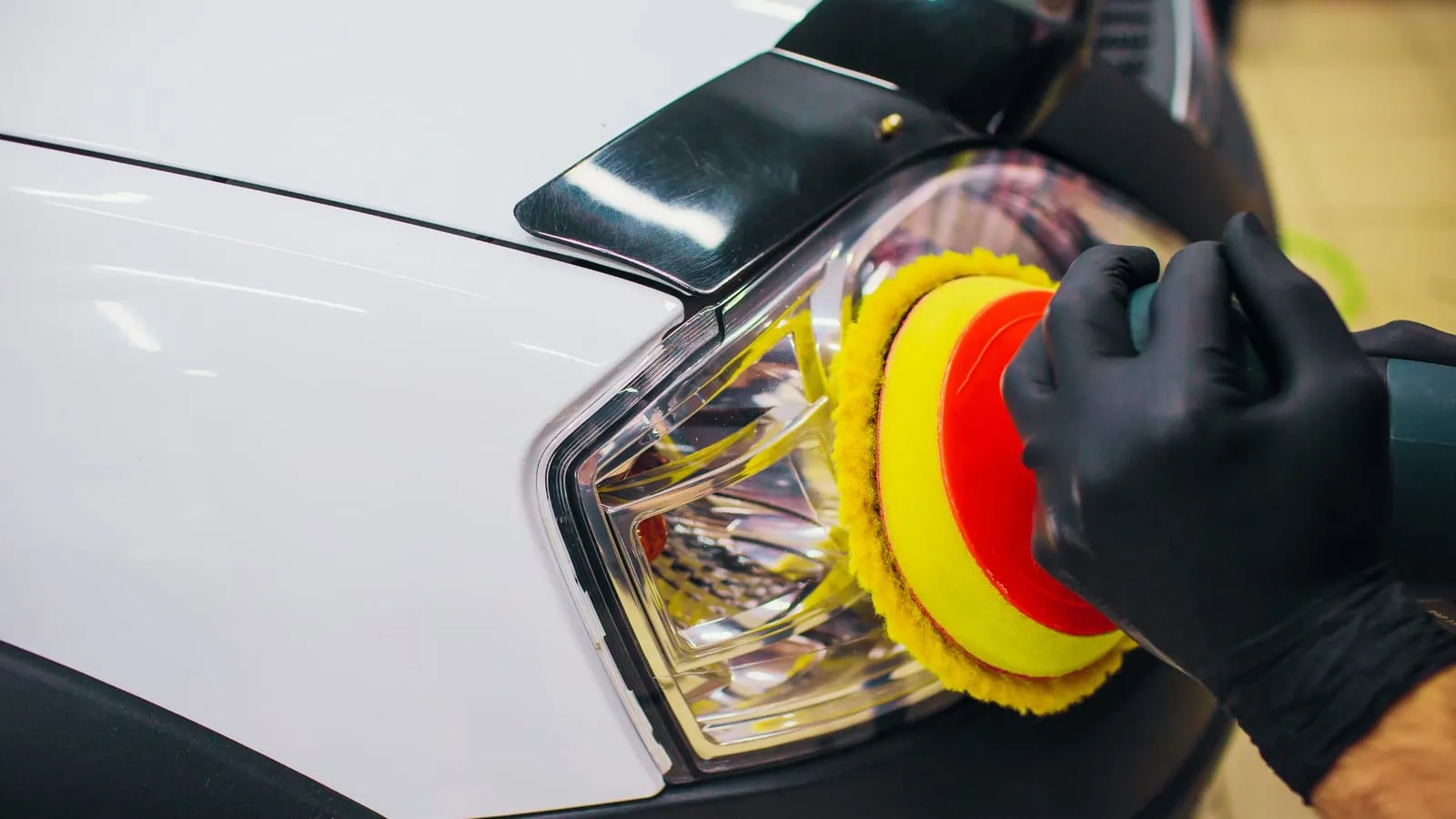
Ceramic coating can be worth it in Clarksville if you care about long-term paint protection, easier washing, stronger gloss, and keeping your vehicle cleaner between details. It makes the most sense if you plan to keep the vehicle for several years, park outside, drive daily, or want better protection than wax or basic sealant.
Ceramic coating is not magic. It does not make your vehicle scratch-proof, rock-chip-proof, or maintenance-free. What it does well is add a durable, hydrophobic layer that helps protect the paint from UV exposure, pollen, road grime, bug splatter, bird droppings, water spots, and routine contamination.
In Clarksville and the Fort Campbell area, ceramic coating is especially useful because vehicles deal with Tennessee sun, seasonal pollen, humidity, rain, bugs, tar, road film, and winter road salt or brine during cold-weather events.
What Ceramic Coating Actually Does
A ceramic coating is a liquid-applied paint protection product that bonds to the vehicle’s clear coat after proper preparation. Once cured, it creates a slick, glossy, water-repelling layer over the paint.
A quality ceramic coating can help with:
- Stronger gloss
- Easier washing
- Better water beading
- Reduced dirt bonding
- UV resistance
- Chemical resistance
- Easier bug removal
- Easier pollen removal
- Less frequent waxing
- Longer-lasting exterior protection
People searching for ceramic coating in Clarksville are usually not just trying to make a car shiny. They are trying to protect the finish and make the vehicle easier to maintain.
What Ceramic Coating Does Not Do
Ceramic coating is often oversold. A trustworthy detailer should be clear about what it does not do.
Ceramic coating does not:
- Stop rock chips
- Prevent dents
- Make the paint scratch-proof
- Replace paint correction
- Fix faded or oxidized paint by itself
- Eliminate the need for washing
- Protect against automatic car wash damage
- Make hard water spots impossible
- Last forever without maintenance
If your paint already has swirl marks, haze, oxidation, scratches, or heavy contamination, the vehicle may need decontamination and polishing before coating. Ceramic coating locks in the finish you prepare. It does not automatically correct the paint underneath it.
Why Clarksville Vehicles Benefit From Paint Protection
Tennessee sun
The Tennessee sun can be harsh on paint, trim, headlights, and exterior plastics. UV exposure can accelerate fading, oxidation, and dullness over time. Ceramic coating adds a protective barrier that helps reduce UV-related wear.
Pollen season
Clarksville pollen can build up quickly. Pollen is not just a visual problem; when it mixes with moisture, it can cling to paint and trim. A coated vehicle is easier to rinse and wash because contaminants have a harder time bonding.
Road salt and winter grime
Middle Tennessee does not get northern-style winters, but roads can still be treated during freezing weather. Salt, brine, and road grime can stick to lower panels, wheels, and rocker areas. Ceramic protection helps make those surfaces easier to clean.
Bugs, tar, and highway driving
Drivers around I-24, Wilma Rudolph Boulevard, Fort Campbell Boulevard, Tiny Town Road, and rural roads around Montgomery County deal with bug splatter, tar, and road film. The longer those contaminants sit, the harder they are to remove safely.
How Much Does Ceramic Coating Cost in Clarksville?
Ceramic coating pricing depends heavily on the prep work. In the Clarksville and Middle Tennessee market, expect rough ranges like:
| Coating Type | Typical Range | Best For |
|---|---|---|
| Ceramic spray sealant | $45–$100 add-on | Short-term gloss and water beading |
| 6-month ceramic spray coating | $75–$150 add-on | Maintenance protection |
| 1-year ceramic hardcoat upgrade | $199–$499+ | Better durability without a full package |
| Multi-year professional coating | $700–$1,500+ | Long-term ownership, high-value vehicles |
| Ceramic coating with paint correction | $900–$2,500+ | Swirl removal plus long-term protection |
The reason the range is wide is simple: prep matters more than the bottle. A quick ceramic spray after a wash is not the same thing as a professional ceramic coating installed after a full wash, chemical decontamination, clay bar, polish, panel prep, and controlled application.
Why Prep Work Changes the Price
A good ceramic coating job usually involves some or all of the following:
- Pre-rinse and foam wash
- Hand wash
- Bug and tar removal
- Iron and fallout removal
- Clay bar treatment
- Paint inspection
- Paint correction or polishing if needed
- Panel wipe and surface prep
- Ceramic coating application
- Leveling and cure time
- Final inspection
- Maintenance instructions
If the paint is new and clean, prep is easier. If the vehicle has years of swirl marks, oxidation, bonded contaminants, water spots, or neglected paint, the prep can take hours longer. That prep work is essentially a thorough exterior detail before the coating ever goes on.
Ceramic Coating vs Wax vs Paint Sealant
Wax is affordable and gives a warm gloss, but it usually does not last long in sun, rain, heat, and regular washing.
Paint sealant typically lasts longer than wax and is a strong value for daily drivers. It is a good option if you want protection without the cost of ceramic coating.
Ceramic spray is a middle option. It gives hydrophobic behavior and gloss but does not last as long as a true ceramic hardcoat.
Ceramic hardcoat offers stronger durability, slickness, gloss, and resistance than wax or standard sealant, but it requires more prep and costs more.
Is Ceramic Coating Worth It for Your Vehicle?
Ceramic coating is probably worth it if:
- You plan to keep the vehicle at least 2-3 years
- You park outside
- You care about resale value
- You want easier washing
- You hate how quickly pollen sticks to your car
- You drive often on I-24 or Fort Campbell-area roads
- You own a black, white, or dark-colored vehicle that shows contamination
- You recently bought a new or newer vehicle
Ceramic coating may not be worth it if:
- You are selling the vehicle soon
- The paint is already failing
- You use automatic brush car washes
- You do not plan to wash the vehicle properly
- You only need a quick shine for a short period
- You want protection from rock chips, which is better served by paint protection film
How Long Does Ceramic Coating Last?
A ceramic spray may last a few months. A 1-year hardcoat may last around a year with proper washing. Multi-year ceramic coatings may last several years, but only if maintained correctly.
Longevity depends on product quality, prep quality, vehicle storage, washing method, mileage, weather exposure, maintenance schedule, and whether harsh chemicals or automatic washes are used. A coated vehicle should still be washed regularly with safe methods and pH-balanced products.
How to Maintain a Ceramic Coated Vehicle in Clarksville
To get the most out of a ceramic coating:
- Wash every 2-4 weeks if possible
- Avoid automatic brush washes
- Use pH-balanced car shampoo
- Remove bugs and bird droppings quickly
- Do not let pollen sit for weeks
- Avoid harsh degreasers unless necessary
- Use maintenance toppers when recommended
- Schedule periodic inspection or maintenance details
Ceramic coating makes washing easier, but it does not replace washing.
Not sure if ceramic coating is worth it for your vehicle? Send the year, make, model, paint condition, and a few photos, and we can recommend the right protection level without overselling you. You can also compare it against a standard full detail or read our mobile detailing cost guide.